Ember Climb Co. Book a season
Vertical Field School · est. 2014

ASCENT

4.9/5 Field audit score · 4 consecutive seasons

Whether you're tying in for the first pitch or chasing ridgelines, we draw the line you climb.

A school where the syllabus is the mountain.

Ember Climb Co. is a small, deliberate field school for climbers who want to read terrain the way a cartographer reads contours. We run guided expeditions, multi-pitch coaching, and rope-team certifications in ranges where the weather, the rock, and the rope still tell the truth.

What we teach

Movement first, then systems. Anchors that hold a season's worth of falls, not just the demo. Decision-making at 3am when the storm wasn't on the forecast. The unglamorous work that keeps everyone on the rope alive.

What we won't do

Sell summit photos. Cut margins on safety. Treat the alpine like a content backdrop. If your goal is the post, we are the wrong school.
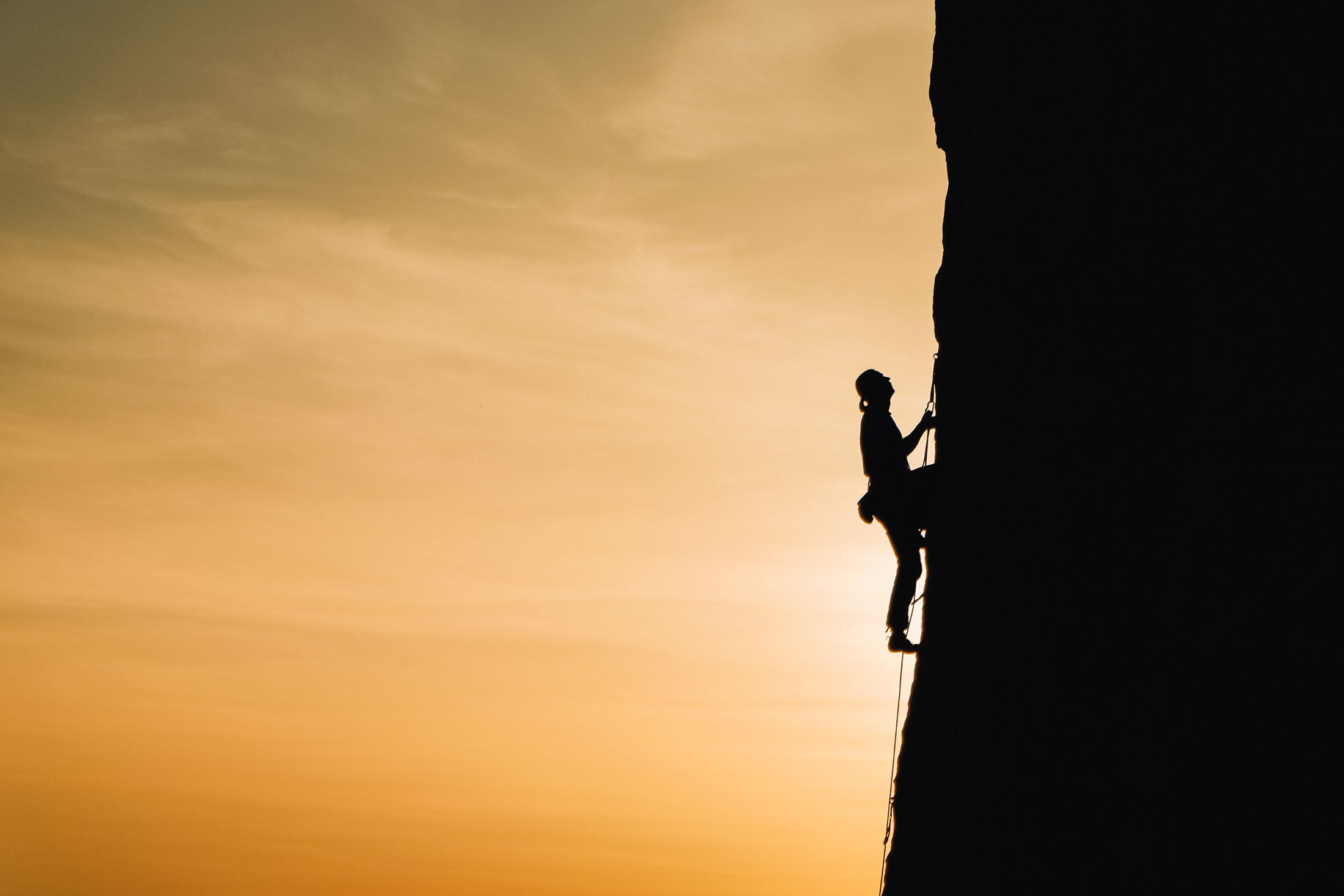
Find your line.

5.6 – 5.8 A climber tying in at the base of a slabby granite route in golden light.
01 Foundation

First Rope · Single-Pitch Foundations

Tie in for the first time. Five days of belay systems, falling practice, anchor inspection, and movement drills on sun-warm rock.

5 daysGear includedCohort of 6
Reserve a place →
5.9 – 5.11a Climber following a vertical crack on weathered granite.
02 Trad

Crack & Trad Intensive

Hand jams, finger locks, gear placements you'd actually fall on. Daily video review at the cabin.

7 daysVideo review
Reserve a place →
EXPED Roped team crossing a snow ridge under a wide alpine sky.
03 Alpine

Alpine Rope-Team Certification

Glacier travel, crevasse rescue, and short-roping for guides and serious self-led climbers.

10 daysGlacier camp
Reserve a place →
V2 – V6 Boulderer working a high overhang on warm granite.
04 Project

Boulder Project Week

Pick a project on day one. We coach the moves, the rest, the head, until you send it or learn why you can't yet.

6 days1-on-1 coaching
Reserve a place →
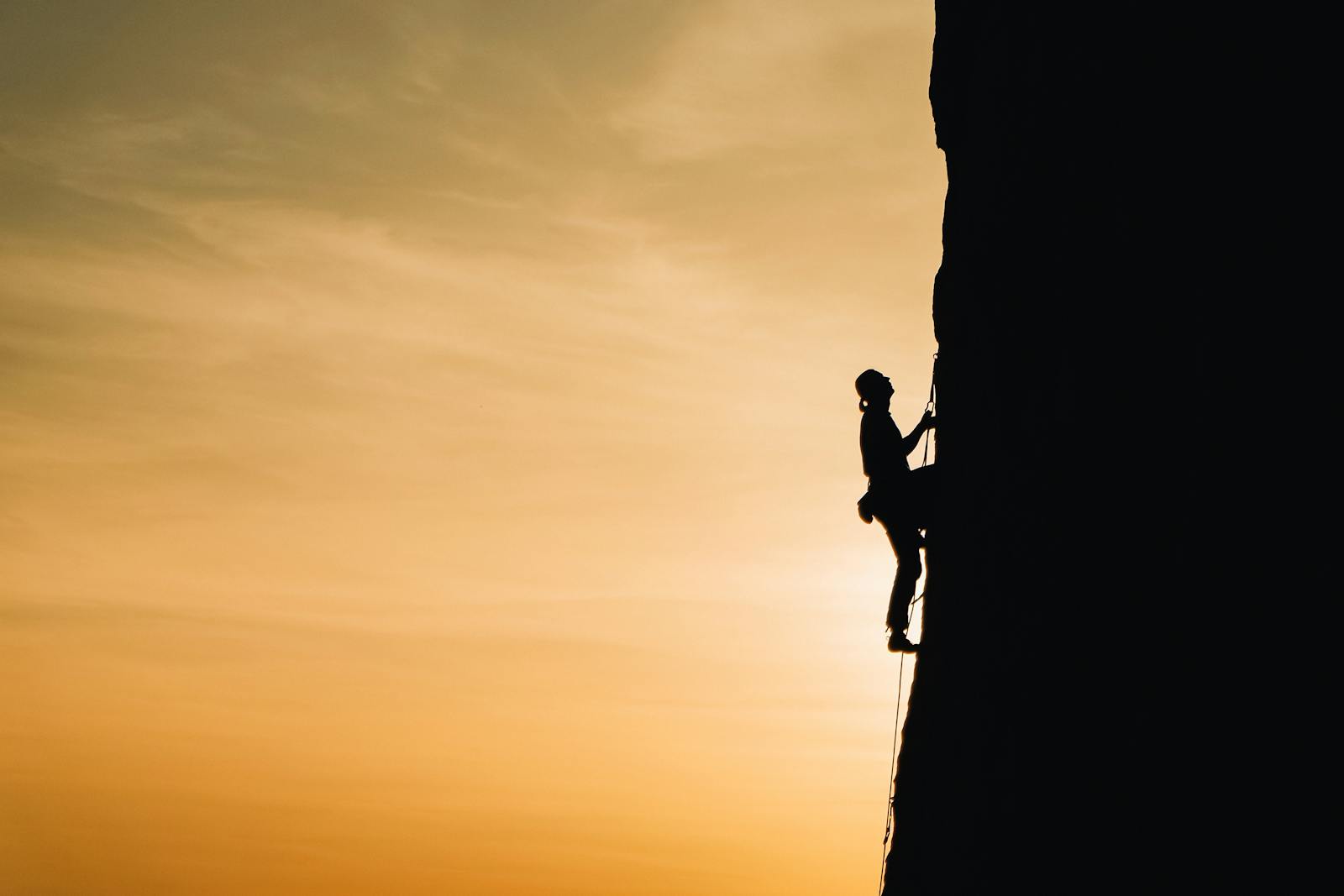
FLAGSHIP Climber high on a big wall at sunrise with valley below.
05 Flagship

The Long Wall · A Twenty-One Day Big-Wall Apprenticeship

Three weeks. One wall. Aid systems, hauling, portaledge life, weather windows, and the long psychological grind of climbing slowly toward a summit you can't see from the start.

21 daysPortaledge includedCohort of 4Application required
Apply for the season →

Where the school meets.

Six ranges across four continents. Each one teaches a different lesson, so we built the season around the lesson, not the postcard.

Season runs Feb – Nov. Closed when the range tells us to be.

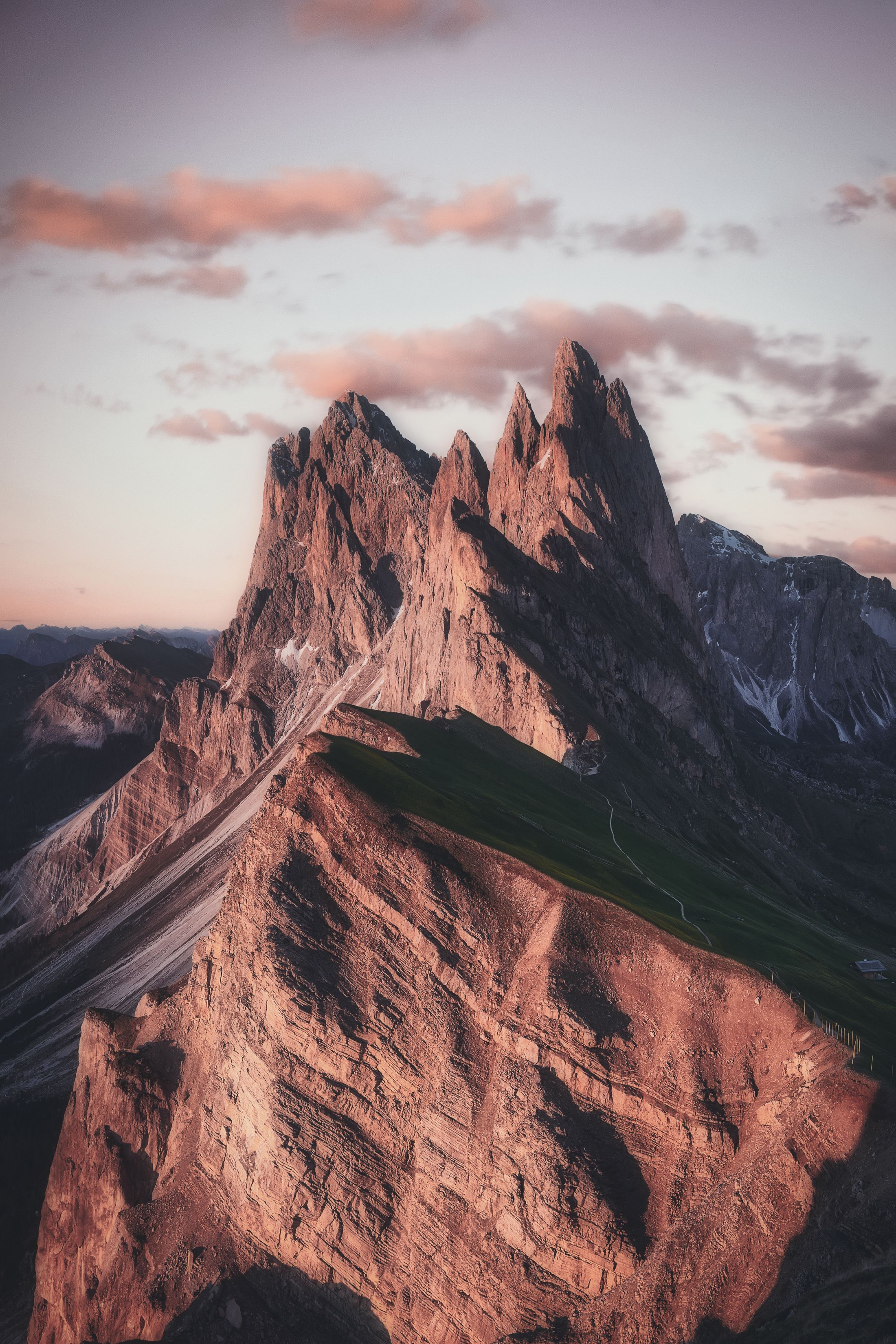
El Chaltén 🇦🇷 Granite spires of the Fitz Roy massif at sunrise.

Patagonia, Argentina

Spires of compact granite. Weather windows the size of a coin. The school that teaches you to read sky.

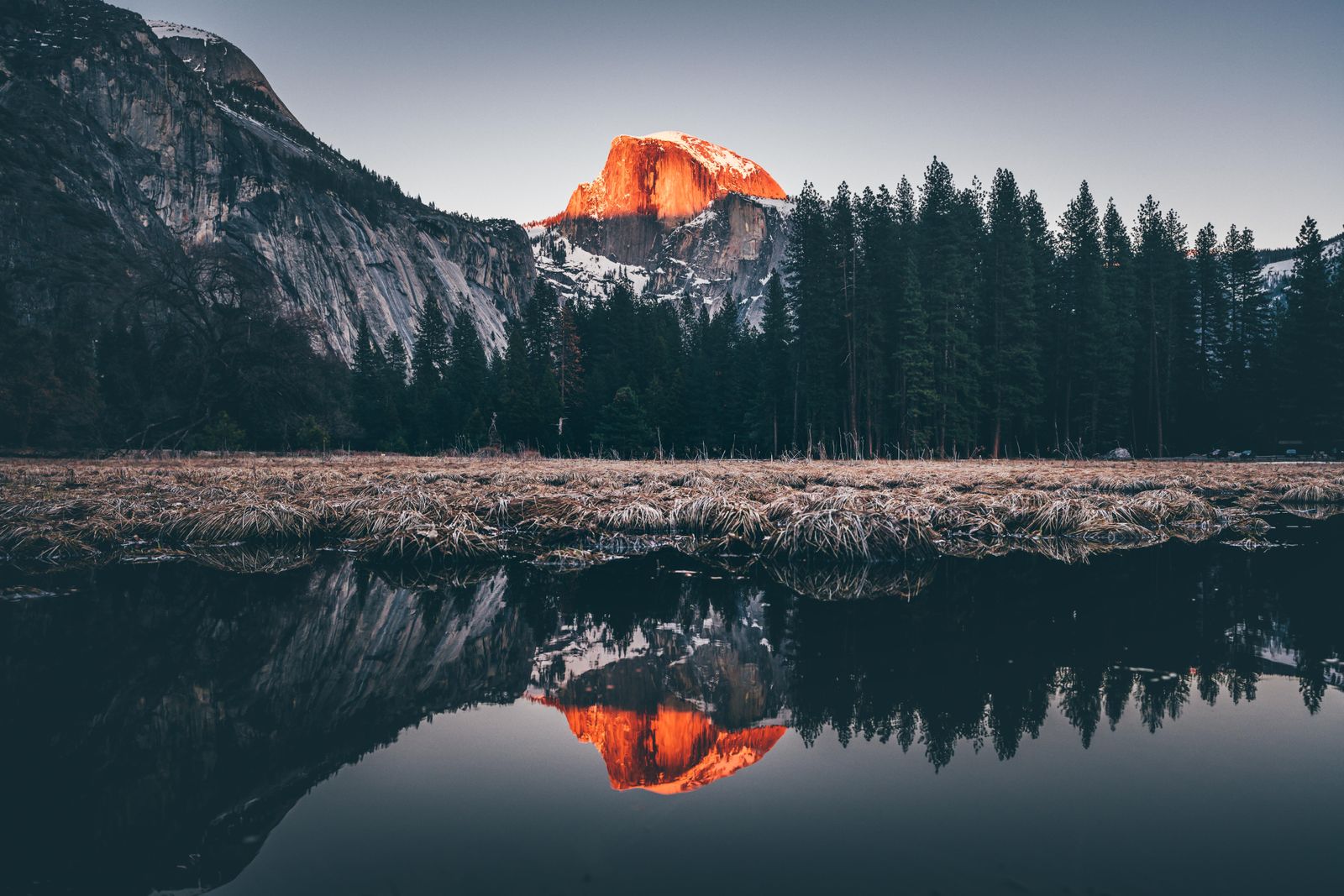
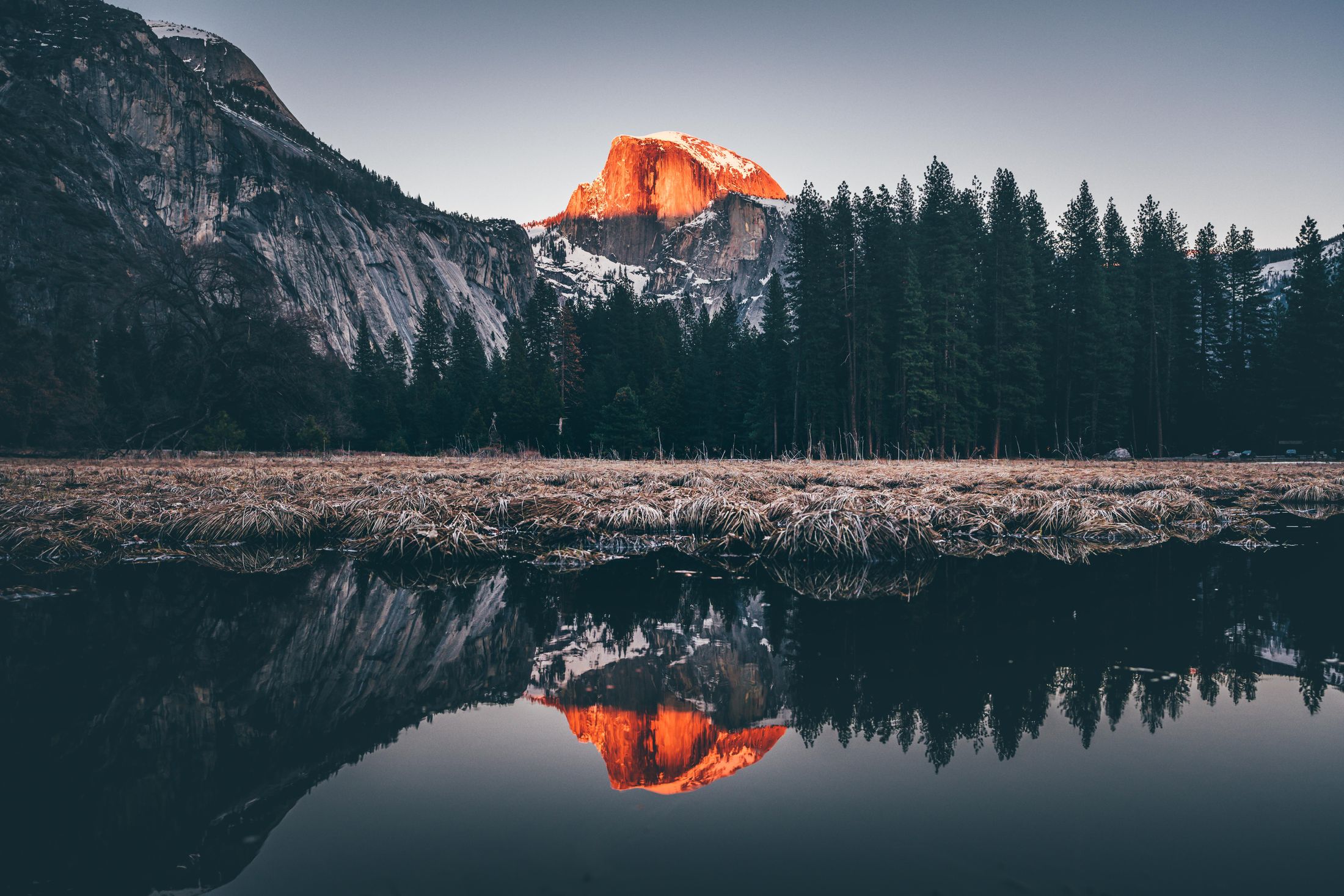
Yosemite 🇺🇸 A vast wall of pale granite catching low afternoon light.

Sierra Nevada, California

Long walls, longer days. Where big-wall apprentices learn the cadence of hauling, fixing, and waiting.

Chamonix 🇫🇷 High alpine ridgeline above a glacier.

French Alps

Glacier travel, mixed climbing, and short-roping on terrain that doesn't tolerate slow decision-making.

Hampi 🇮🇳 Warm granite boulders in a wide open landscape.

Karnataka, India

Boulder country. Coarse granite, friendly temps, and quiet sessions for project weeks and recovery work.

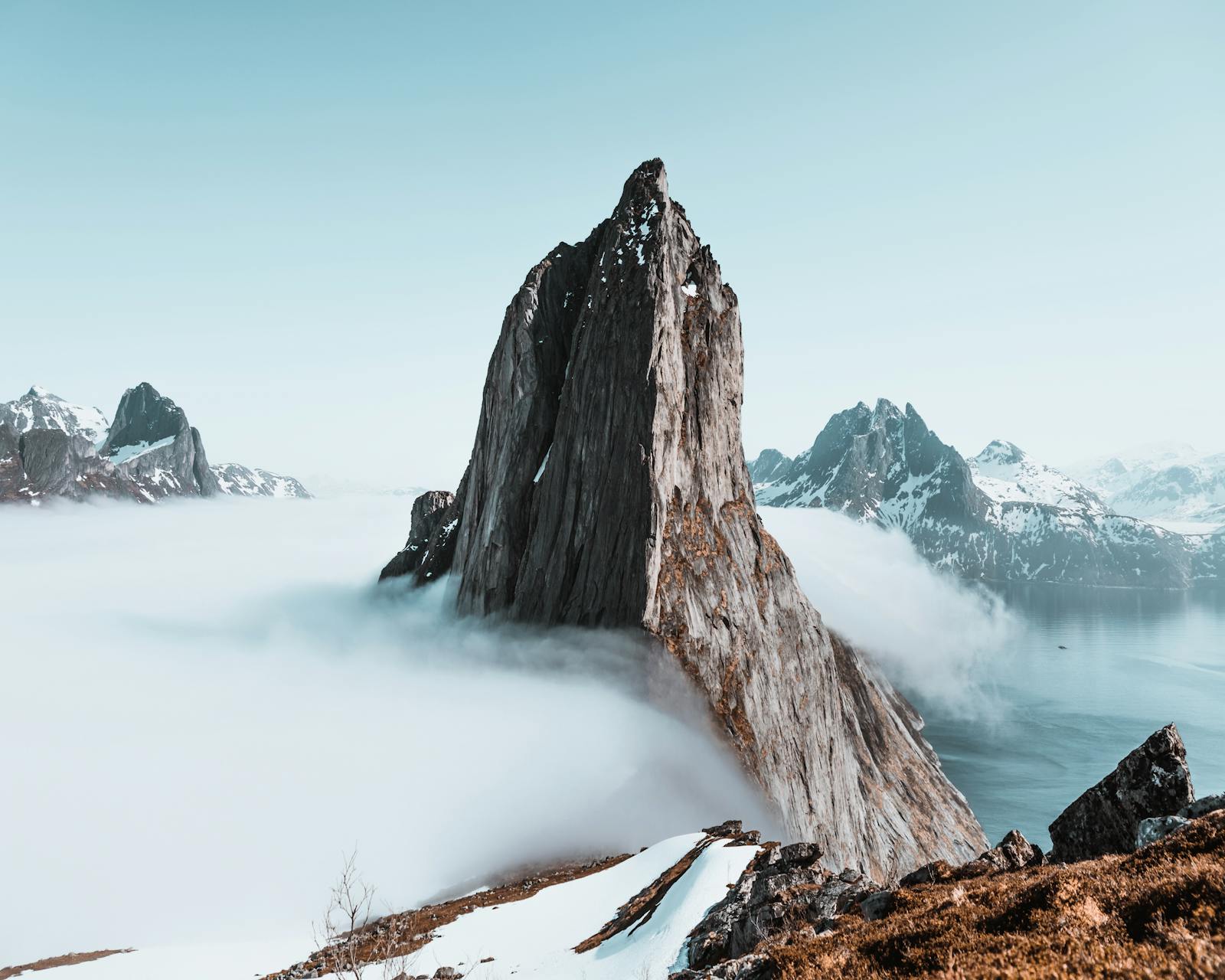
Lofoten 🇳🇴 Steep coastal mountains rising directly from the sea.

Arctic Norway

Sea-level granite that rises straight from cold water. Long light in summer, sharper light off the snow.

Squamish 🇨🇦 Crack climbing on a tall granite wall under cloudy sky.

British Columbia

The school's crack laboratory. Splitters at every grade, rain at every grade, and a base camp in the trees.

Ground to ridge.

Every cohort follows the same six-stage protocol, whether you're tying in for the first multi-pitch or apprenticing on a big wall. Skip a stage, skip the season.

01

Read the ground.

Weather, terrain, exits. Before the rope comes out, you can describe in writing how you'd descend.

02

Inspect the rope team.

Knots, harnesses, helmets, voices. The trust on the rope is built before anyone leaves the deck.

03

Move without violence.

Quiet feet, soft hands. We coach movement before difficulty. Strong climbers move quietly.

04

Build anchors that hold.

Multi-point, redundant, equalized, no extension. Tested under load, not described from a manual.

05

Decide, out loud.

The cohort votes. The lead guide explains. Decision logs are kept and reviewed at camp every night.

06

Descend on purpose.

The summit is half the climb. We descend rested, fed, and unhurried. Most accidents happen here.

What the cohort says.

"I came in able to climb harder than I could think. Ember taught me to climb at the speed of my decisions, not my fingers."
Portrait of Mira Albrecht.
Mira Albrecht

Berlin · Alpine cohort '24

"The first time the guides said "let's turn around," I thought we'd failed. Three weeks later I understood it was the best lesson of the trip."
Portrait of Kenji Watanabe.
Kenji Watanabe

Osaka · Big-wall apprenticeship '23

"Every other course sold me the summit. Ember sold me the descent, and I'm a different climber for it."
Portrait of Sade Okonkwo.
Sade Okonkwo

Cape Town · Rope-team cert '25

Questions worth asking.

Do I need to climb already to enroll?

Only the First Rope program assumes no experience. Every other program asks for a baseline (we publish exact requirements on the program page). If you're not sure where you fit, write to us with a short climbing log and we'll tell you honestly.

How are the cohorts kept so small?

We cap at six for most programs and four for the big-wall apprenticeship. The cap is the product. Larger cohorts produce shallower coaching and slower decisions, and we won't compromise either.

What if the weather closes the route?

We move. Every range has secondary objectives at lower commitment and a curriculum that runs at the cabin. No cohort has finished a season without climbing, but several have finished without summiting. That's a feature.

Is rental gear included?

Ropes, racks, helmets, and harnesses are included on every program. Climbing shoes and personal layering systems are not, for fit reasons. We publish a kit list four weeks before each season.

Are you certified?

All lead guides hold AMGA or IFMGA certifications relevant to their range. We publish each guide's record on request, and we'll happily put you in touch with past cohorts.

What's your policy on summit photography?

We don't sell summit photos. We do take photos for our archive, and we'll share them after the season ends. The mountain isn't a backdrop for the cohort's social feeds, and we ask climbers to keep phones stowed on the rope.

Tie in with us.

The 2026 season opens Feb 1. Cohorts fill in the order we receive applications, and we read every one.

Request a season packet →